
What Spring Racing Carnival Odds Can Teach You About Investment Risk
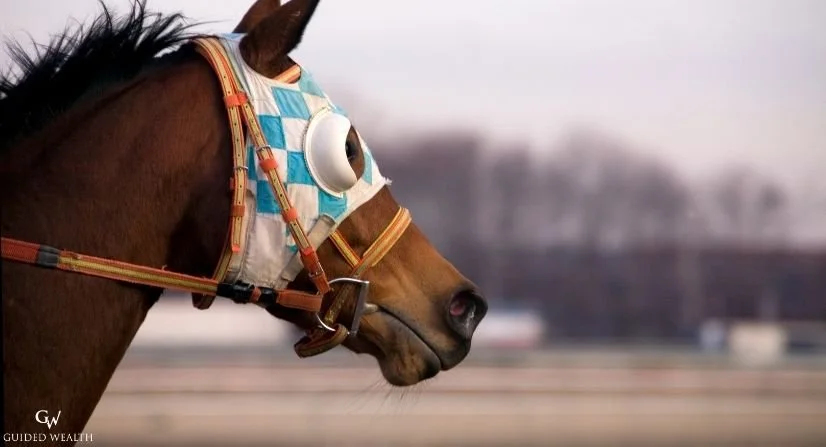
The spring racing carnival is well underway, and by the time the Melbourne Cup field jumps from the barriers in November, most of Australia will have had an opinion on it. Racegoers pore over form guides for weeks beforehand, weighing barrier draws, recent placings, track conditions and jockey form before deciding where to put their money. The serious punters, the ones who treat it as more than a flutter, rarely back a single horse. They spread their interest across several runners, weighing the odds against the risk, because they know that even the best credentialled horse in the field can be beaten on the day.
There's a lesson in that discipline for anyone managing an investment portfolio, and it has nothing to do with luck.
What "favourite" really means
In a form guide, the favourite is simply the runner the market rates most likely to win, based on the balance of available information. It isn't a guarantee. Favourites lose the Melbourne Cup regularly enough that nobody bats an eyelid when it happens; a shorter price reflects a higher probability, not a certainty.
Something similar happens in a portfolio whenever an investor lets one holding, one sector or one theme grow into a concentrated position because it has performed well and looks like the obvious winner. A stock that has run hard, a fund manager on a good streak, or a sector everyone is talking about at a barbecue can start to feel like a sure thing. But a "favourite" investment carries the same lesson as a favourite in the Cup. It's rated highly because of what's known today, not because the future is settled. Markets, like race fields, have a habit of humbling whatever looked safest at the time.
The pull of a sure thing
Racing carnivals bring out a particular kind of overconfidence. Someone hears a tip from a mate, reads a compelling story about a horse's recent form, or simply likes the name, and starts to feel more certain about the outcome than the odds justify. The same behaviour shows up in investing. An investor becomes convinced that a particular stock, sector or strategy cannot lose, often because it hasn't lost yet, and starts treating a probability as a foregone conclusion.
This isn't really about intelligence or diligence. It's a well documented feature of how people process information; recent success gets weighted more heavily than long run averages, and a good story is more persuasive than a spread of dry statistics. The result, at the track or in a portfolio, is the same. Money gets concentrated behind whatever currently feels like the sure thing, and the downside gets the least attention right when it deserves the most.
Backing the field, not just the favourite
The punters who do well over a long carnival season, rather than on a single lucky day, tend to spread their risk. They might still fancy the favourite, but they size their bets so no single result can hurt them badly, and they keep some exposure to the field rather than betting everything on one name.
That's a fair description of diversification, and of setting a risk tolerance that matches how much uncertainty an investor can live with. A well constructed portfolio doesn't try to pick the one investment that's certain to outperform, because there isn't one. It spreads exposure across asset classes, sectors and geographies, so that no single disappointing result determines the whole outcome. It's built around what an investor can afford to have go wrong, financially and in terms of a good night's sleep, rather than around whichever idea currently looks unbeatable.
None of this makes for as good a story as a long shot winner or a horse everyone backed home. But it's the version of risk taking that tends to still be standing well after the carnival season has packed up and moved on.
If it's been a while since you checked whether your portfolio's own favourites are still worth the confidence you're placing in them, please get in touch to discuss whether your spread of investments matches the level of risk you're comfortable carrying.